
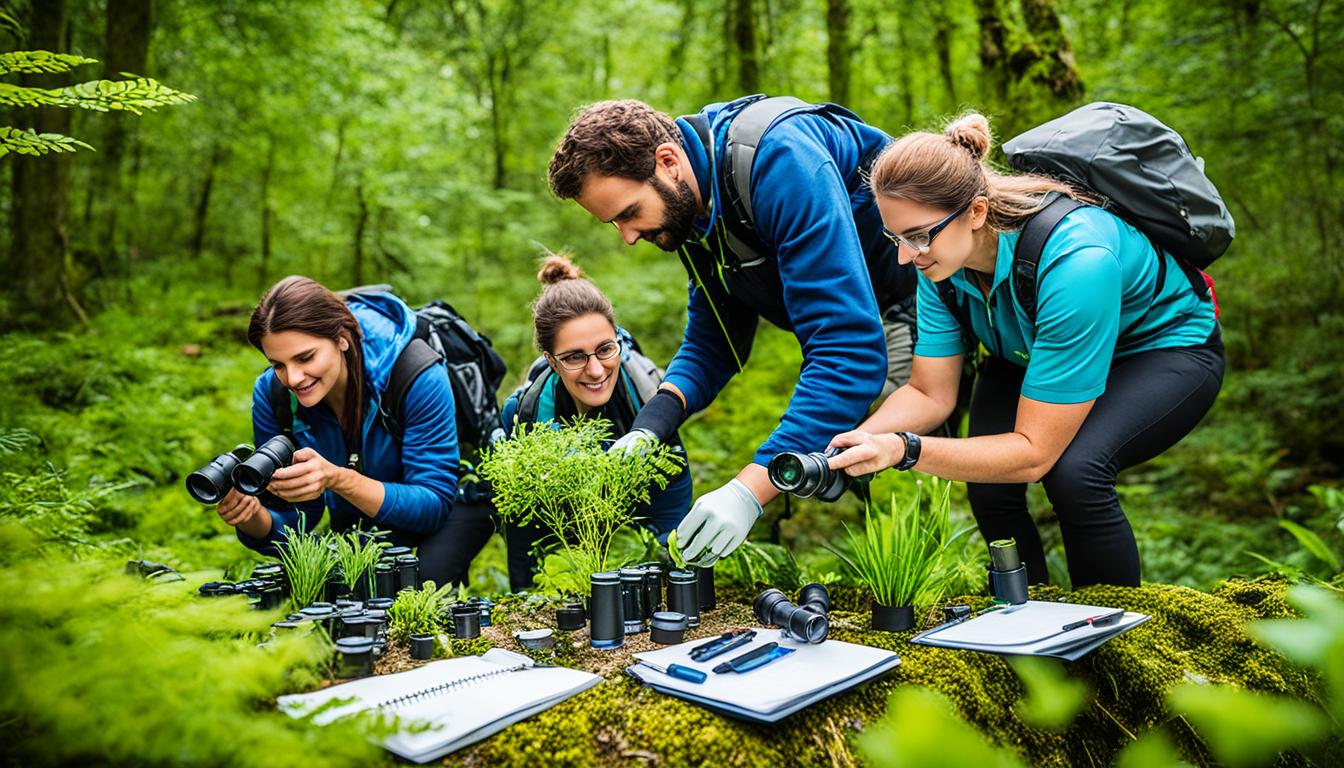
Citizen science is a powerful way to get the public involved in scientific research. It uses volunteers to help us understand our world better. This guide will show you how to do citizen science projects that really matter.
At the core of citizen science is working together between experts and the public. People like you can help with studies by collecting data, making observations, or analyzing info. This approach helps science grow and connects us more with nature.
If you’re a researcher or just someone curious, this guide is for you. We’ll cover everything you need to know about citizen science. You’ll learn how to plan and run projects that help science. By the end, you’ll be ready to make a difference in scientific research.
What is Citizen Science?
Citizen science is when people help with research and collect data. It lets anyone, no matter their background, help with real studies. This way, people can help advance science together.
Understanding the Concept of Citizen Science
Citizen science lets people join in the scientific process. By working on projects, people help researchers collect data and monitor changes. This helps the science world and makes people feel connected to the research.
Benefits of Citizen Science Projects
Citizen science has many benefits. It helps gather lots of data for better research. Projects often focus on issues that matter to local communities. This gives people a sense of purpose and helps them learn important skills.
Anyone can join in, whether you’re a student, a nature lover, or just curious. By taking part, you can help us learn more about the world. You’ll also make a difference in your community.
Choosing a Suitable Citizen Science Project
Starting a citizen science project can be thrilling and fulfilling. But picking the right one is crucial. First, think about what you’re interested in within citizen science. Are you into wildlife, the environment, or space? Reflecting on your interests will guide you to a project that matches your passions.
Identifying Your Areas of Interest
After deciding on your interests, look at the project’s needs. Think about how much time you can give, the data collection methods, and the skills needed. Some projects need regular updates, while others are less demanding. Make sure the project fits your life and skills.
Evaluating Project Requirements
With your interests and project needs clear, you can pick a project that suits you. The ideal project will excite you and help scientific research. By choosing wisely, you start a journey in citizen science that’s both impactful and rewarding.

Planning and Preparing for Your Citizen Science Project
Starting a citizen science project needs careful planning and preparation. First, set clear goals for your project. What do you want to achieve? What data do you need? These questions will guide your project management.
Then, create a detailed plan that lists tasks, timelines, and resources needed. This helps you see challenges ahead and stay on schedule. Make sure you have the right equipment, technology, and training for your team.
It’s key to build a strong team of citizen scientists. Find volunteers with the right skills and interests. Give them the support and guidance they need. Make sure everyone knows how to communicate and share feedback.
Spending time on planning and preparing your citizen science project sets you up for success. With a solid plan, you can dive into data collection, analysis, and discovery with confidence.
Science: The Heart of Citizen Science Projects
Every successful citizen science project has a solid scientific base. It’s key to know the scientific method well for getting accurate data and making sense of it. Citizen scientists are crucial in pushing science forward by collecting and analyzing data.
Understanding Scientific Methodology
Citizen science projects often start with making guesses, designing tests, and testing them carefully. By using the scientific method, they help move science forward in their areas of interest. They ask research questions, set up data collection plans, and use good analytical methods.
Collecting and Analyzing Data
Data collection in citizen science can be done in many ways, like observing things in the field or taking measurements in a lab. It’s important to use good data collection methods and check the data’s quality. Citizen scientists also need to know how to analyze the data. They use stats and visual tools to find patterns and make conclusions.
By using the scientific method and good data collection and analysis, citizen science projects can bring new insights. This teamwork lets citizens take part in science and make important contributions to our understanding of the world.
Collaborating with Experts and Organizations
Citizen science projects do well when experts and organizations work together. By collaborating in citizen science, you gain a lot of knowledge and resources. This helps make your project more successful. It’s important to find the right partners for citizen science to use their skills and insights well.
Finding Suitable Partners
Working with experts in citizen science can really change the game. Look for groups like academic institutions, research centers, or non-profits that focus on your project’s area. These partners for citizen science offer valuable advice, equipment access, and funding.
Start by contacting local universities, colleges, or labs for possible partnerships. They might want their students to work on real projects like yours. Also, connect with groups like professional associations, community groups, or environmental organizations that match your interests. They could bring their expertise to the table.
Engaging and Motivating Participants
Creating a strong community of citizen scientists is vital for any project’s success. It’s important to keep participants engaged and motivated. This ensures they stay committed over time. By making them feel like they belong and have a purpose, you encourage them to give their time and skills.
Building a Community of Citizen Scientists
Creating a strong community feeling is a great way to keep citizen scientists involved. Encourage them to talk with each other, share stories, and work together on the project. Use regular updates, social media, meetups, or events to help them connect.
This builds a supportive and welcoming space. It makes participants want to do more than just their tasks. They become champions for the project.

Also, giving feedback and recognition for what participants do can really motivate them. Show them you value their work, celebrate their wins, and highlight their important contributions. This makes them feel valued and connected to the project’s goals. It leads to more involvement and lasting participation.
Data Management and Quality Assurance
In the world of citizen science, managing data well is key. It makes sure research findings are trustworthy. Citizen scientists give their time and effort by collecting data. It’s important to have strong systems for keeping, checking, and organizing this data.
Ensuring Data Integrity
Keeping data safe and correct is a top goal in citizen science. Good data management makes the data collected by citizens reliable and precise. Researchers need to set up clear rules for entering, storing, and backing up data. They also need to check for any mistakes or wrong data.
Training citizen scientists on how to collect data right is crucial. This reduces the chance of getting wrong or missing data. It makes sure the data is good quality and can be used well in science.
Checking data regularly is also key. This can mean comparing it with data from experts or using automated checks. These steps help spot and fix any data problems. By doing this, citizen science projects can keep their data trustworthy and reliable.
Sharing and Communicating Your Findings
Sharing your citizen science project’s results is key. It helps spread the word about the power of community-led research. By doing so, you can make a big impact on science and get more people interested in the field.
You can share your work in many ways, like writing papers, speaking at events, or making educational materials. This helps you connect with experts, work together on new projects, and make sure your data is reliable.
Talking to the people who helped with your project is also vital. Keeping them updated on what you’ve found shows you value their input. It keeps them interested and makes them feel part of something bigger.
Sharing your data with everyone can really help spread the word. Use social media, local news, or community events to share your findings. This way, you can show how important community science is and get more people involved.
Overcoming Challenges in Citizen Science Projects
Starting a citizen science project can be rewarding, but it comes with challenges. Keeping participants interested and ensuring data quality are key issues. We’ll look at ways to tackle these problems in your project.
Keeping volunteers interested is a big challenge. Use things like leaderboards or rewards to make it fun. Also, building a community feeling can help keep your volunteers with you.
Data quality is very important in citizen science. Make sure your volunteers know how to collect data correctly. Use checks to spot wrong data and keep your data reliable.